General Provisions
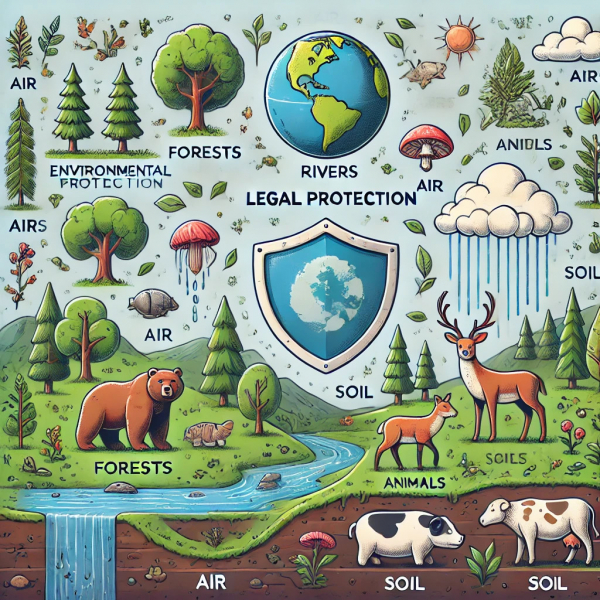
The article is devoted to environmental protection objects and their significance for preserving the natural balance. The priority protection zone includes natural ecosystems, landscapes and complexes that have not been subjected to anthropogenic impact. Special attention is given to objects with unique environmental protection, scientific, historical and cultural, aesthetic or recreational value, including state reserves, nature reserves, national and natural parks, botanical gardens, as well as territories of traditional habitation of indigenous small-numbered peoples.
Objects of protection include key components of the natural environment: lands, subsoil, soils, surface and groundwater, atmospheric air, flora and fauna, the ozone layer, and near-Earth space. Legislation defines the list of negative impacts on nature—pollution, depletion, degradation, damage, and destruction—which require special monitoring. Understanding and protecting these objects allow for sustainable interaction between humans and the environment, preserving biodiversity and maintaining natural resources for future generations.
Overview of Legislative Provisions
According to Russian environmental legislation, natural ecological systems, natural landscapes, and natural complexes not subjected to anthropogenic impact are given priority protection (paragraph 2 of Article 4 of the Federal Law "On Environmental Protection").
Special protection shall be afforded to objects included in the World Heritage List, state natural reserves, including biosphere reserves, state natural sanctuaries, natural monuments, national parks, natural parks, and dendrological parks, botanical gardens, health resorts and sanatoriums, other natural complexes, traditional habitat, places of traditional settlement and economic activity of indigenous small-numbered peoples of the Russian Federation, objects having special environmental protection, scientific, historical and cultural, aesthetic, recreational, health-improving and other valuable significance, continental shelf and the exclusive economic zone of the Russian Federation, as well as rare or endangered soils, forests, and other vegetation, animals, other organisms, and their habitats (paragraph 3 of Article 4 of the Federal Law "On Environmental Protection").
The objects of environmental protection also include components of the natural environment, which legislation refers to as: lands, subsoil, soils, surface and groundwater, atmospheric air, flora, fauna, and other organisms, as well as the ozone layer of the atmosphere and near-Earth space (paragraph four of Article 1 and point 1 of Article 4 of the Federal Law "On Environmental Protection").
By establishing an open list of types of negative impacts from economic and other activities, certain such types have been explicitly named by legislation. These include pollution, depletion, degradation, damage, and destruction (paragraph 1 of Article 4 of the Federal Law "On Environmental Protection").