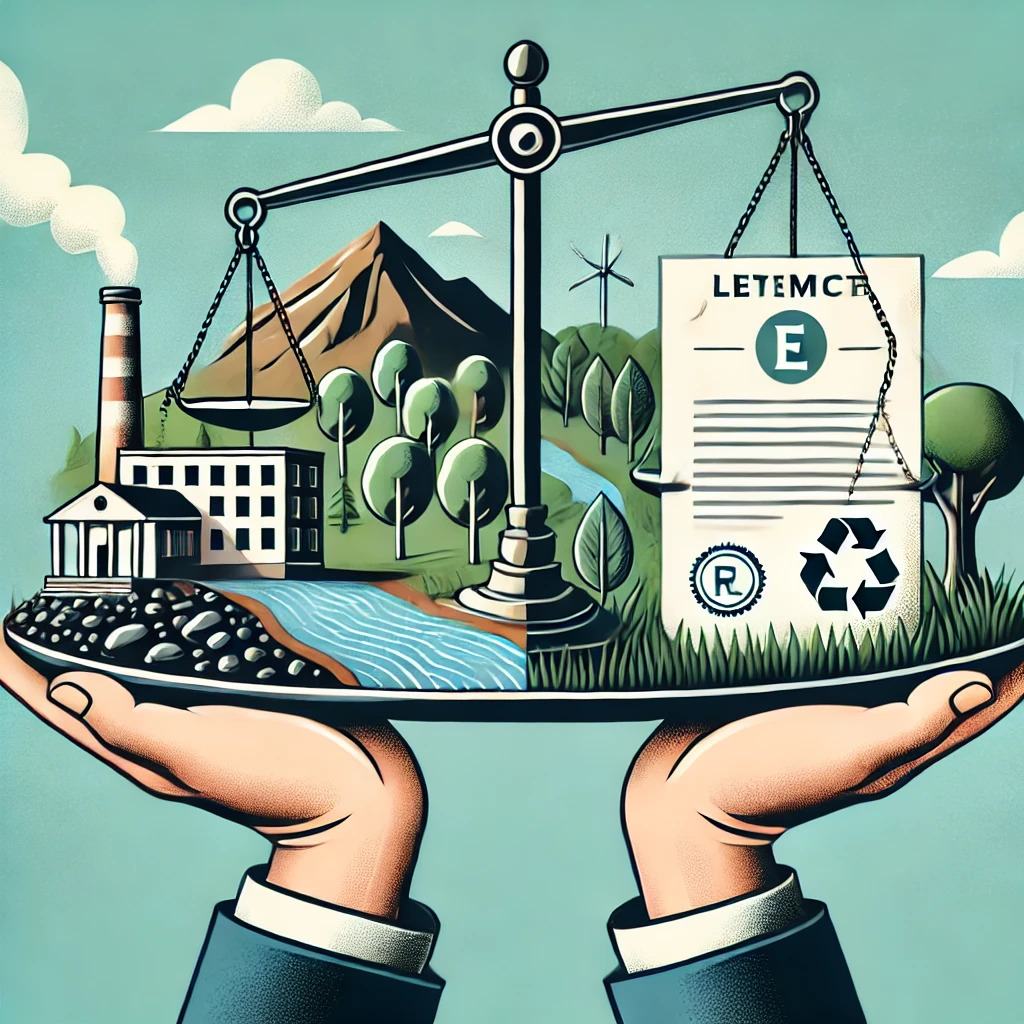
General Provisions
In the Russian Federation, natural resources are objects of property rights and resource use. Their utilization is regulated by norms of environmental law, civil law, land law, water law, forest law, and other special legislation.
The property rights to natural resources and the right to use natural resources represent fundamental elements of the legal system of the Russian Federation, regulating relations between the state, society, and citizens in the sphere of using natural wealth. The Constitution of the Russian Federation establishes that land, forests, water objects, and subsoil may be owned by the state, municipal, or private entities, provided that their use must ensure protection and rational utilization.
State ownership covers natural resources under the jurisdiction of the Russian Federation and its subjects, including federal forest areas, water objects, and subsoil. Municipal ownership covers resources of urban and local significance, such as city forests and water bodies. Private ownership may include land plots, water objects, and forest areas transferred to citizens or legal entities, provided that environmental and legal norms are strictly observed.
The right of natural resource use is a set of legal norms regulating the actual utilization of natural resources. The main types of natural resource use include land use, subsoil use, water use, forestry, as well as hunting and fishing activities. Each area is regulated by specific normative acts, such as the Land Code, Water Code, and Forestry Code of the Russian Federation, and requires compliance with established procedures and licenses.
The legal basis for the use of natural resources implies obtaining licenses, concluding lease agreements, meeting environmental requirements, and paying established taxes and fees. These measures ensure the lawful use of natural resources and prevent negative impact on the environment. Effective regulation of natural resource utilization also includes monitoring compliance with standards and conducting environmental assessments when implementing projects.
Restrictions and prohibitions in the field of natural resource utilization are aimed at protecting the environment and rational use of resources. Legislation prohibits the destruction of valuable natural objects, limits economic activities in protected areas, and establishes liability for violations of environmental requirements. Joint regulation of property rights to natural resources and the right to utilize natural resources creates conditions for sustainable development and preservation of natural heritage for future generations.
Property Rights to Natural Resources
The right of ownership over natural resources is determined by the Constitution of the Russian Federation and other normative acts. According to Article 9 of the Constitution of the Russian Federation:
- Land and other natural resources may be in private, state, municipal, and other forms of ownership.
- The use of natural resources must ensure their protection and rational utilization.
- State ownership: Natural resources belonging to the Russian Federation or subjects of the Russian Federation (forest areas, federal water objects, mineral deposits, etc.).
- Municipal ownership: Natural resources under the jurisdiction of municipal formations (urban forests, local water bodies, etc.).
- Private ownership: Natural resources transferred into the ownership of legal and physical persons (land plots, water objects, forest areas, etc.).
The Right to Use Natural Resources
The right to use natural resources represents a set of legal norms regulating the utilization of natural resources by citizens, organizations, and the state.
Main Types of Natural Resource Use:
- Land Use: Regulated by the Russian Federation Land Code and includes ownership, use, and disposal of land plots.
- Mineral Resources Use: Conducted on the basis of licenses for exploration and extraction of minerals.
- Water Use: Regulated by the Water Code of the Russian Federation, including the use of water objects for drinking water supply, agriculture, and industry.
- Forestry Use: Determined by the Forest Code of the Russian Federation and provides for timber harvesting, as well as the use of forests for recreation and other purposes.
- Hunting and Fisheries Resource Use: Involves the hunting of wild animals and fishing, carried out on the basis of licenses.
Legal Bases for Natural Resource Use
To use natural resources, it is necessary to comply with the procedures established by law:
- Obtaining a license or permit (for example, for mining minerals, using water bodies).
- Concluding a lease agreement for natural resources.
- Compliance with environmental requirements and standards.
- Paying taxes and fees for the use of natural resources.
Limits and prohibitions in the field of natural resource utilization
To ensure environmental protection and the rational use of natural resources, legislation establishes certain restrictions:
- Prohibition on the destruction of valuable natural objects.
- Limits on economic activities within protected natural areas.
- Environmental impact assessment during the construction and operation of enterprises.
- Liability for violating environmental requirements (administrative, civil, criminal).
The right of ownership over natural resources and the right to use nature regulate the possession, utilization, and protection of natural objects. Effective management of natural resources is necessary for their preservation and rational use in the interests of society and future generations.